How to Find the Right Distributorship Opportunity in India: A Practical Guide for New Entrepreneurs
How to Find the Right Distributorship Opportunity in India: A Practical Guide for New Entrepreneurs
Starting a business can feel overwhelming when you have hundreds of options in front of you. You may have the budget, the motivation, and even the willingness to work hard—but the biggest question remains: Which business opportunity should you choose?
For many first-time entrepreneurs, distributorship can be an interesting option.
Instead of manufacturing a product yourself, you work with an established manufacturer or brand and help take its products into a particular market. You manage stock, develop retailer relationships, generate orders, and help the brand grow in your territory.
But finding the right opportunity is more important than simply finding an opportunity.
What Is a Distributorship Business?
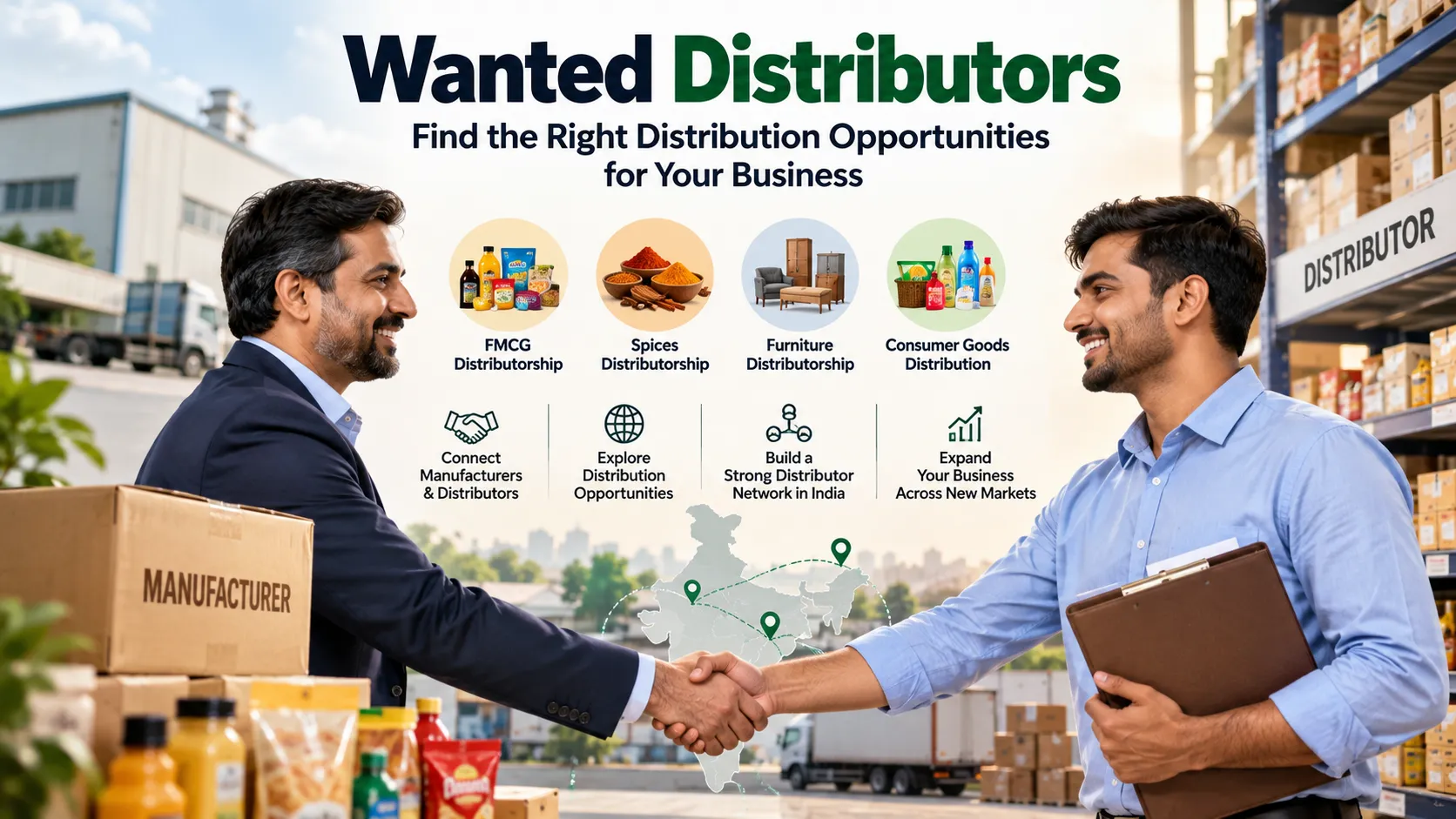
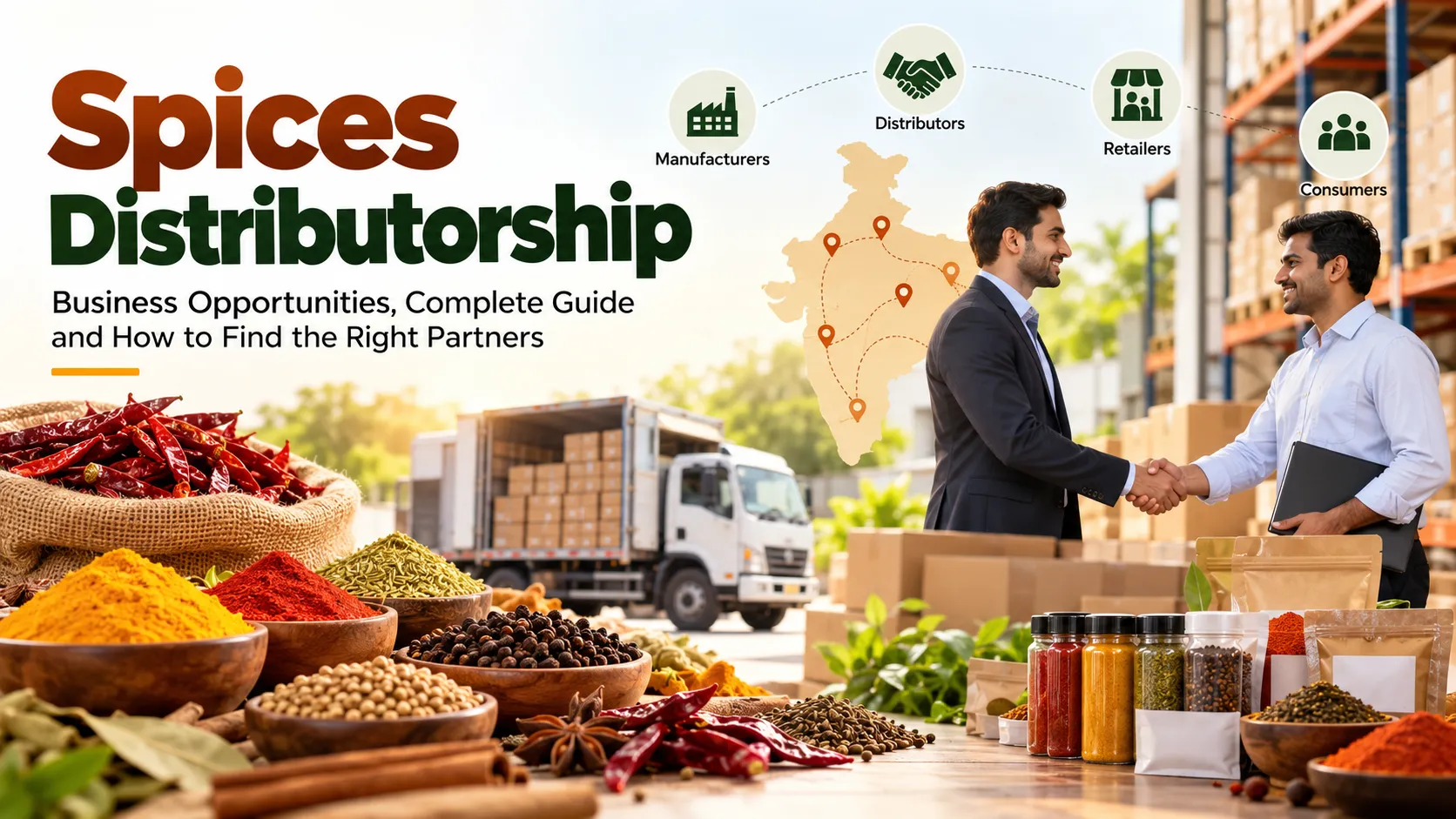
A distributorship business connects manufacturers with retailers, dealers, wholesalers, institutions, or other businesses.
The manufacturer focuses on producing and developing the product, while the distributor helps make that product available in the local market.
Depending on the industry, a distributor may be responsible for the following:
- Purchasing and maintaining inventory
- Supplying products to retailers
- Managing local deliveries
- Building retailer relationships
- Expanding market coverage
- Supporting promotional activities
- Generating repeat orders
- Monitoring product demand
The exact investment, margins, and responsibilities depend on the brand and product category.
Why Are More Entrepreneurs Exploring Distributorship Opportunities?
One major reason is that distribution allows entrepreneurs to enter an existing product ecosystem instead of starting everything from zero.
You don't necessarily need to create a brand, develop a product, or establish a manufacturing facility.
Instead, you can focus on what you do best—selling, networking, and understanding your local market.
Some of the major advantages include:
- Access to established products
- Potential for repeat orders
- Opportunities across multiple industries
- Scope to expand into new territories
- Existing manufacturer support
- Ability to build long-term retailer relationships
However, distribution is still a real business. It requires working capital, inventory management, sales effort, and market knowledge.
Which Categories Offer Distribution Opportunities?
One of the biggest advantages of this business model is the variety of categories available.
FMCG
FMCG is one of the most commonly explored categories because products such as packaged food, beverages, personal-care products, and household essentials are purchased regularly.
Food & Beverages
This category includes snacks, biscuits, spices, tea, coffee, beverages, packaged foods, confectionery and specialty food products.
Health & Personal Care
Skincare, haircare, cosmetics, hygiene products, and wellness-related products can create opportunities for distributors with access to pharmacies, retailers, salons, or other relevant outlets.
Ayurvedic & Herbal Products
Growing consumer interest in traditional and herbal products has created distribution opportunities for Ayurvedic, herbal, and natural-product brands.
Agriculture & Farming
Seeds, agricultural tools, irrigation products, farming equipment, fertilizers, and other agricultural supplies can be distributed through local dealers and agricultural networks.
Home Care & Cleaning
Detergents, disinfectants, surface cleaners, kitchen products, and other household solutions are additional categories where local distribution can be important.
Apparel, Electronics & Industrial Products
Distribution is not restricted to FMCG. Apparel, electrical products, electronics, construction materials, machinery, packaging products, and industrial supplies can also require regional partners.
How Much Investment Do You Need?
There is no universal investment amount for a distributorship.
Your requirement can depend on:
- Product category
- Initial stock requirement
- Territory size
- Warehouse requirements
- Transportation costs
- Manufacturer's minimum order
- Working-capital requirements
For example, a small consumer-product distributorship may require significantly less infrastructure than an industrial distribution business.
This is why entrepreneurs should calculate the complete investment, rather than looking only at the manufacturer's advertised starting amount.
7 Things to Check Before Choosing a Brand
Before signing a distributorship agreement, take some time to investigate the opportunity.
1. Product Demand
Ask yourself: Will people actually buy this product in my market?
A high margin does not help if the product has very low demand.
2. Manufacturer Reputation
Research the manufacturer, its existing products, market presence, and customer feedback.
3. Distributor Margin
Understand your gross margin and calculate whether it can realistically cover transportation, staff, warehouse, sales, and other expenses.
4. Minimum Order Quantity
Check how much inventory you are expected to purchase initially and on subsequent orders.
5. Territory
Clarify whether your territory is exclusive and exactly which locations you are expected to cover.
6. Marketing Support
Ask whether the manufacturer provides advertising material, product training, promotional schemes or sales assistance.
7. Stock & Return Policy
This is often overlooked. Understand what happens to damaged, expired, slow-moving or unsold products.
Where Can You Find Distributorship Opportunities?
Traditionally, entrepreneurs have relied on personal contacts, trade exhibitions, newspaper advertisements, and direct communication with manufacturers.
Today, online B2B platforms can make the discovery process easier.
For example, GrowDistributors connects manufacturers and brands with potential distributors, dealers, and other business partners. Entrepreneurs can explore opportunities based on categories, locations, and investment requirements.
This can be useful if you are actively searching for:
- Distributorship opportunities
- Distributor opportunities
- FMCG distributor opportunities
- New business opportunities
- Regional distribution opportunities
- Brands looking for distributors
Instead of contacting hundreds of companies randomly, a dedicated B2B platform can give you a more structured starting point.
How to Choose an Opportunity Based on Your Strengths
The "best" distributorship is different for every person.
If you already have strong relationships with grocery stores, FMCG or food products may make more sense.
If you have connections with farmers and agricultural retailers, agriculture-related products may be a better fit.
If you understand pharmacies, salons, or wellness stores, health and personal-care categories could be worth exploring.
Think about the network you already have.
Your existing relationships can become your biggest competitive advantage.
A Simple Checklist Before You Invest
Before moving forward, ask yourself:
- Do I understand the product?
- Is there genuine demand in my territory?
- Can I afford the required working capital?
- Do I have access to suitable retailers?
- Can I manage inventory?
- Are the manufacturer's payment terms reasonable?
- Is the margin sufficient after expenses?
- Does the company provide marketing support?
- What happens if the product doesn't sell?
If several answers are unclear, don't rush into the agreement.
Frequently Asked Questions
1. Is distributorship a good business for beginners?
It can be, particularly for people who have local market knowledge, sales skills, or existing retailer connections. However, beginners should carefully evaluate investment, demand, margins, and manufacturer terms.
2. Which distributorship is most profitable?
There is no single category that is guaranteed to be the most profitable. Profitability depends on demand, margins, competition, inventory turnover, operating expenses, and territory.
3. How can I find brands looking for distributors?
You can approach manufacturers directly, attend trade exhibitions, or use B2B platforms such as GrowDistributors to discover brands and distribution requirements.
4. Can I become a distributor with a small investment?
Some opportunities have relatively low starting requirements, while others require substantial working capital. The investment depends on the product, manufacturer, and territory.
5. Should I choose a famous brand or a new brand?
A famous brand may already have market recognition, while a newer brand may offer greater room for market development. Compare demand, margins, competition, support, and growth potential before deciding.
Final Thoughts
Finding the right distributorship opportunity is less about chasing the highest advertised margin and more about finding a business model that fits your market.
Start with your strengths. Understand your local retailers. Research the product. Calculate the actual costs. Speak with the manufacturer and read the agreement carefully.
Platforms such as GrowDistributors can help entrepreneurs discover manufacturers and brands looking for distribution partners across different categories and locations.
The right opportunity won't simply give you a product to sell—it can give you the foundation to build a long-term distribution business.